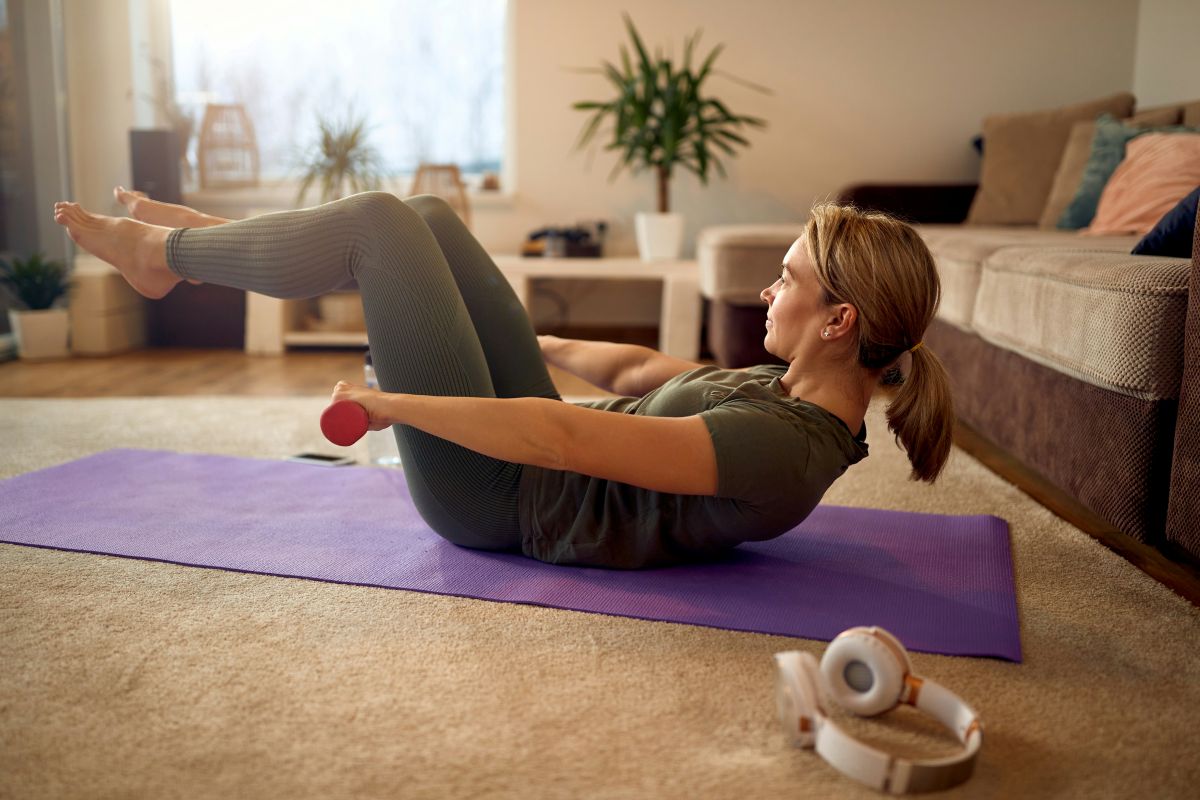
When you live with an autoimmune condition, movement is one of the most powerful tools you have to support your body. It’s not about pushing through your pain or aiming for perfection, it’s about staying as active as your body allows you to, in a way that feels safe and sustainable to you. Not only can regular movement help ease inflammation and pain by supporting circulation and joint mobility, it can also boost your energy, help reduce fatigue, lift your mood and improve your sleep.


Resources
Self-Care Pillars
Movement Benefits
Getting Started
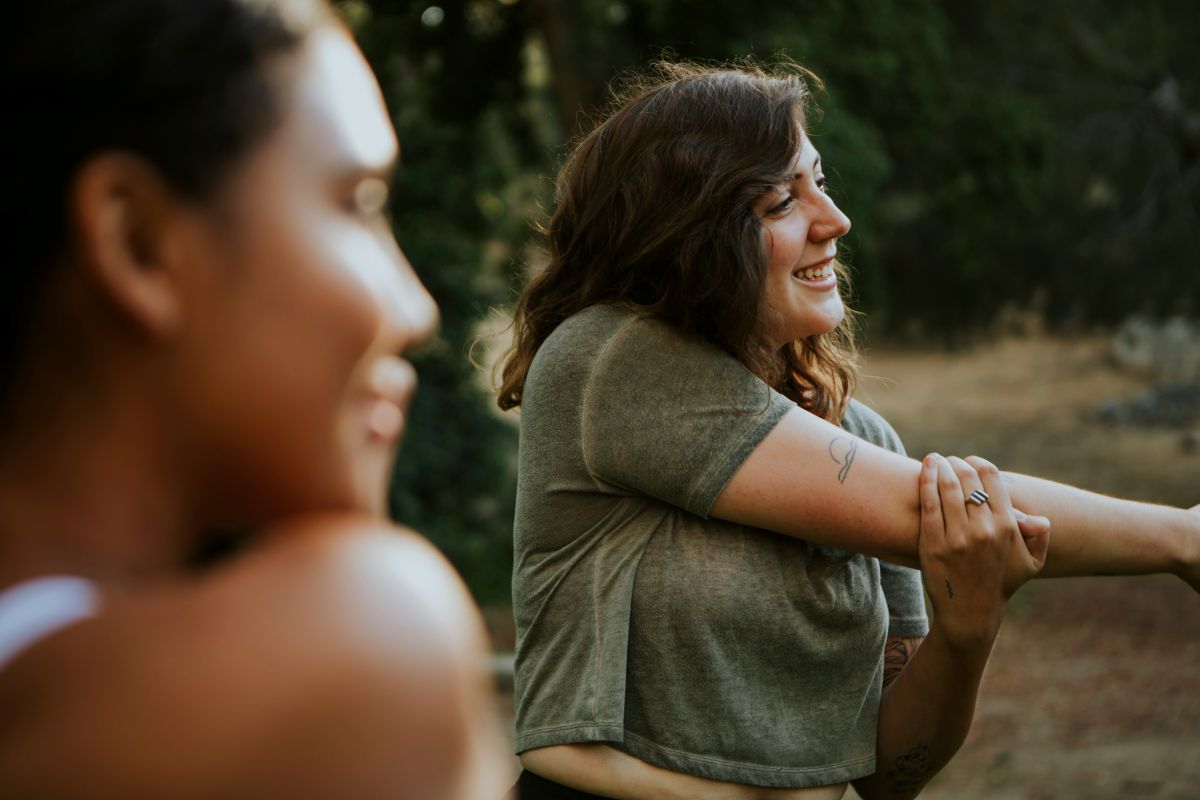
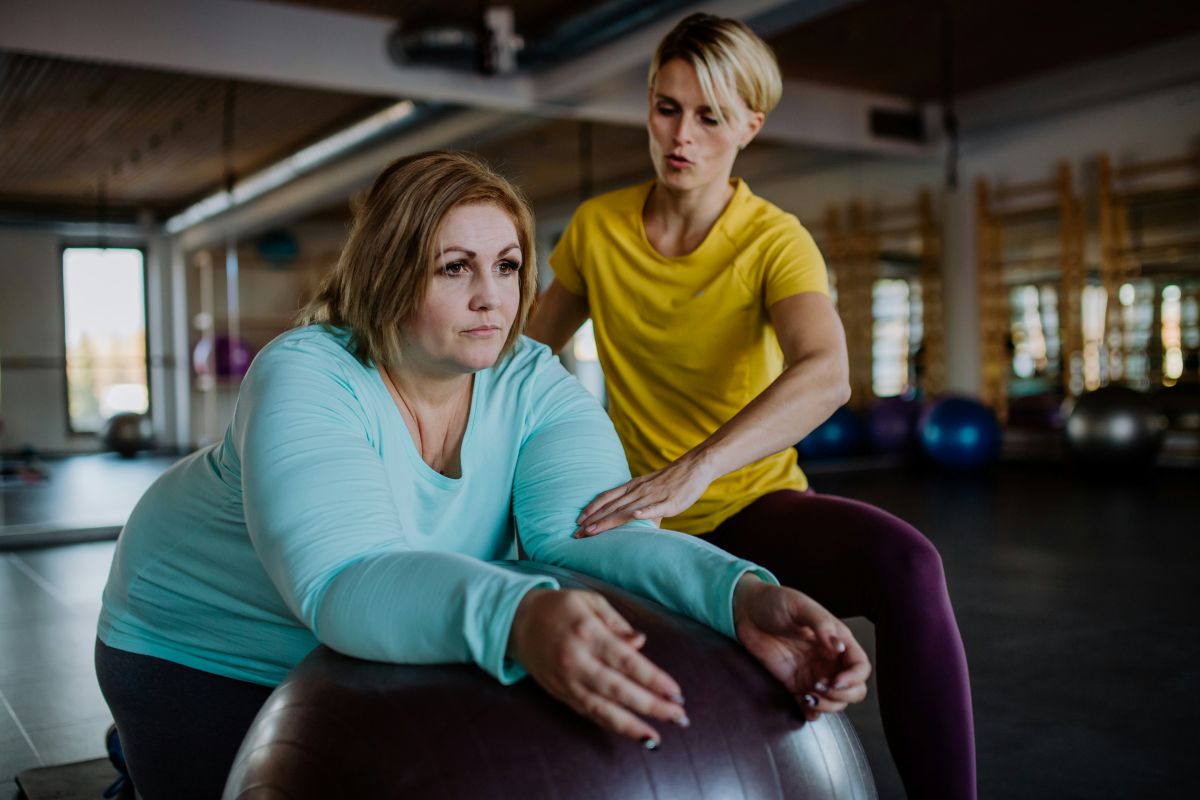
You don’t need a gym membership or intense workouts to feel the benefits – even just stretching in bed, walking around the block, or some gentle yoga or water exercises can count. The key is finding what works for your body on a particular day, and giving yourself permission to rest when you need to. It can be helpful to work with a physiotherapist or exercise professional familiar with autoimmune conditions as they can offer guidance on type of exercises, intensity, and pace of movement needed to suit your current needs. They can also show you how to adapt your routine during or after a flare-up.
Gentle in a Flare
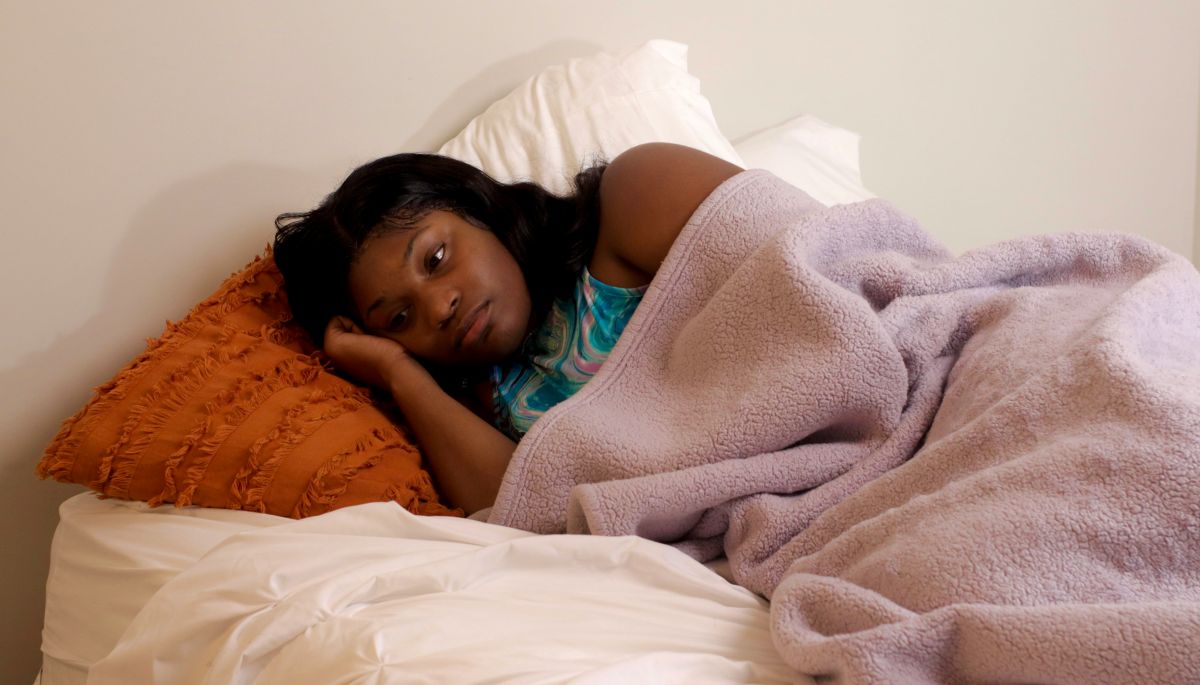
Being able to identify when to adapt your routine by listening to your body is important. You also don’t want to feel defeated when you are unable to exercise as usual, so learning to give yourself permission to go easy is important. Even small movements can feel overwhelming, and that’s okay. Movement at this stage isn’t about exercise; it’s about easing tension, supporting circulation, and staying as comfortable as possible. Members in our community use stretching or slow range-of-motion exercises while lying down or seated, as well as breathing with intention while focusing on expanding the chest and diaphragm. Ankle rolls, shoulder shrugs or wrist circles can keep blood flowing in still limbs and reduce stiffness and pressure. Using heat packs and having warm showers can help relax your muscles, too. If your body is calling for complete rest, listen. Rest is also a form of healing.
The Bottom Line
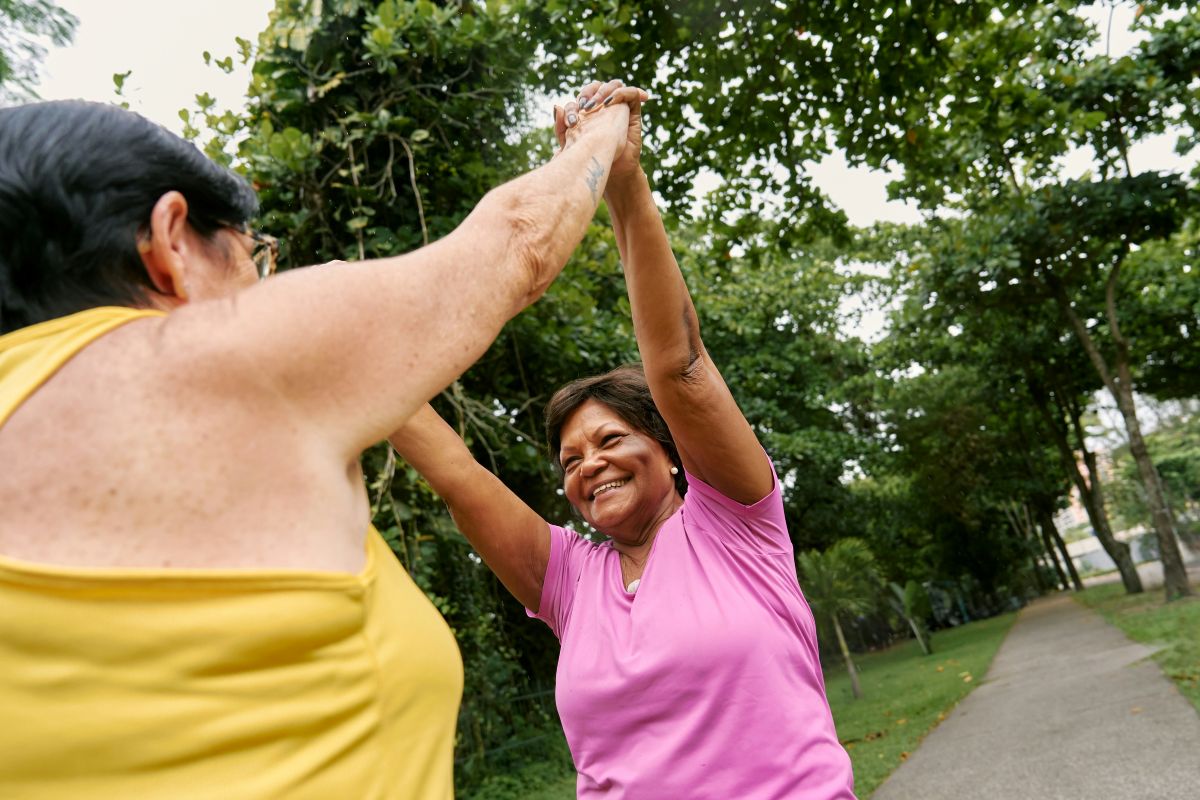
Movement is not all or nothing. Some days you might feel strong and other days just stretching your toes or shifting your position is enough. Each choice you make to move or rest is a way of listening to your body with care and kindness. It can be easy to get despondent when you aren’t mobile and going through flare-related frustration, anxiety and feelings of hopelessness. Getting back up after a flare can also be hard, but you need to be gentle with yourself and take it one day at a time. Movement isn’t a competition.
Movement Resources

Look After Yourself and One Another in Tiwi Islands
This video is part of the Federal Government’s ‘Indigenous Australians Health Program’ (IAHP) which aims to close the health and life expectancy gap. The video was created with the support of the Communities of the Tiwi Islands and the Tiwi Islands Health Clinics Julanimawu clinic at Wurrumiyanga, Jipuwampilala clinic at Milikapiti and Pirlangimpi Clinic.
Keeping Healthy The Good Way, Borroloola
This video is part of the Federal Government’s ‘Indigenous Australians Health Program’ (IAHP) which aim is to contribute to closing the health and life expectancy gap. It was created with the support of the Borroloola Communities and the Borroloola Community Health Centre.
Contact Us
We’re here to support you
Getting support while you navigate your journey is important, which is why being part of a community of people who share your experience can help help you feel less alone, and can be an enormous sense of support.

