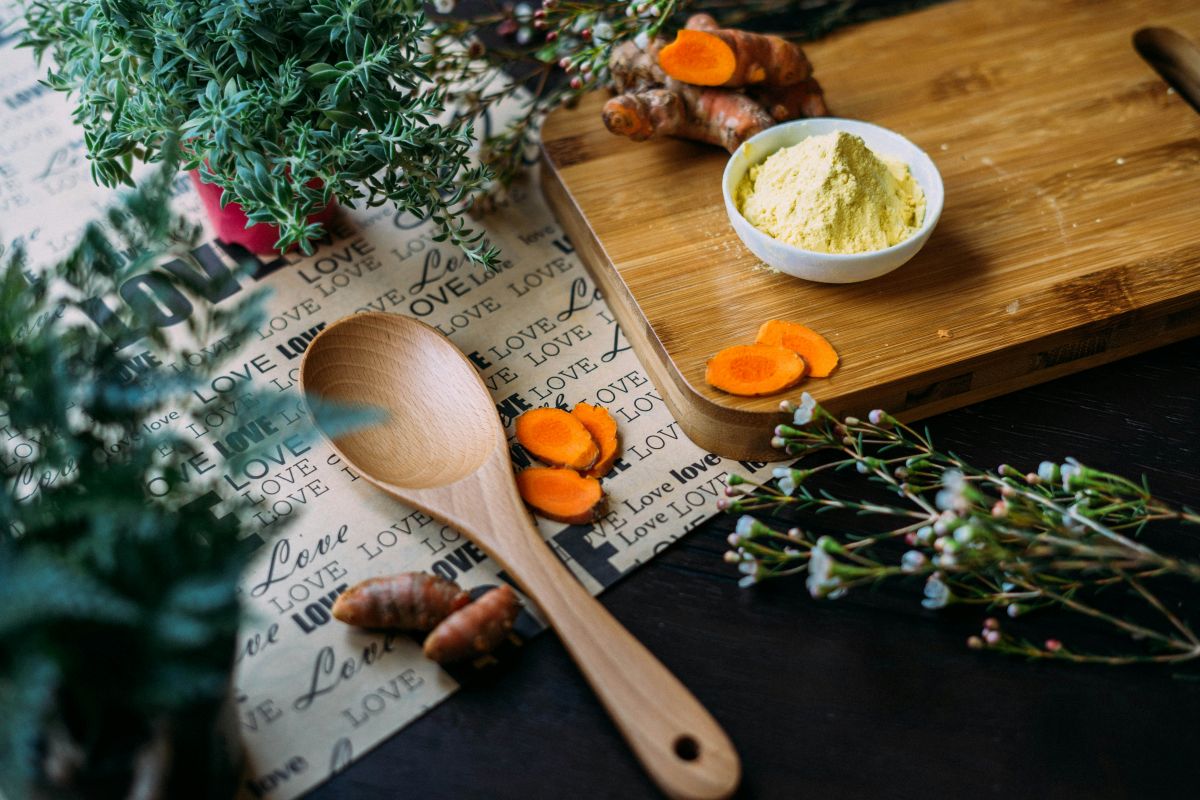
When you have an autoimmune condition, good nutrition is a way to support your body. While food isn’t a ‘fix-all’, it can help reduce flare intensity, ease symptoms, and improve overall wellbeing. Many in our community find that the way they eat affects how they feel day to day as well as long term. Nutrition can help ease inflammation with foods rich in antioxidants and omega-3 fats like leafy greens, berries, and oily fish, which can reduce symptoms like joint pain and stiffness.


Resources
Self-Care Pillars

Food and Inflammation
Gut Health
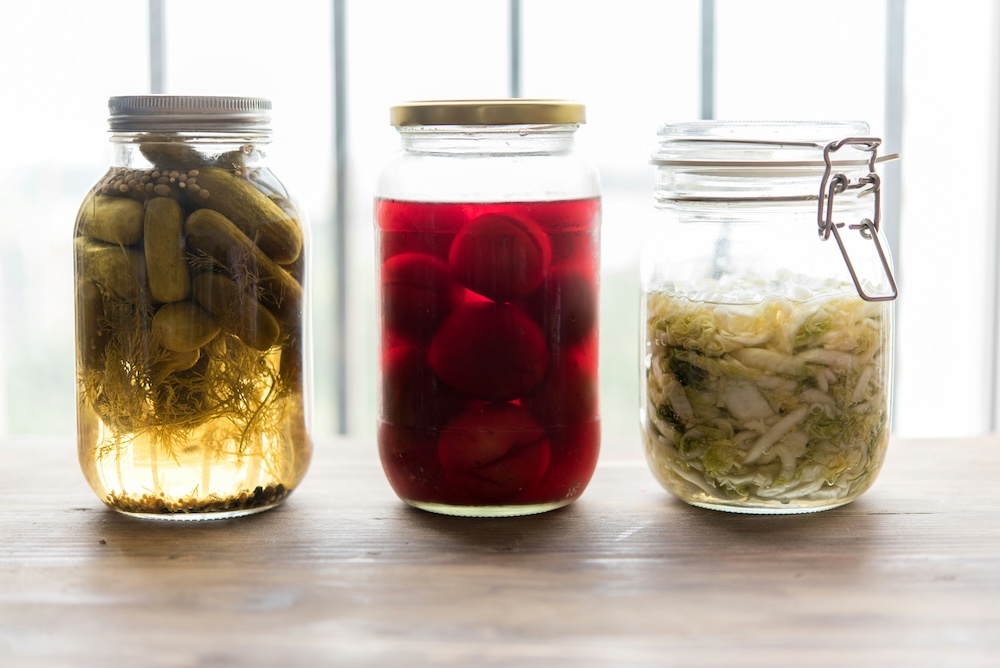
Nutrition can also support gut health because a well-functioning gut is closely tried to immune health. Eating more fibre, fermented foods (like yogurt or kimchi), and prebiotics can help keep your gut in balance. A variety of whole foods provide essential vitamins and minerals your body needs to stay resilient, and a consistent nourishing diet can ease fatigue, help with mood, and support energy levels during flares. Some autoimmune conditions or medications can also lead to low levels of important nutrients, so eating well and supplementing when needed can help fill any gaps.

Tailored Diet to your Needs
There isn’t one specific ‘autoimmune diet’ that works for everyone, so finding one that works for you will depend on your unique body and condition. Getting support from a healthcare provider or registered nutritionist can help tailor a plan that suits your lifestyle and needs.

Nutritional Therapist
To help guide you, we’ve teamed up with Charlotte Breckwoldt (Née Hill) for real-life Nutritional Support. Charlotte knows first hand what it’s like to live with an autoimmune condition and after being diagnosed with Ankylosing Spondylitis in her 20s, she has transformed her personal experience into purpose by becoming a qualified Nutritional Therapist and educator. Originally from London and now based in Australia, Charlotte brings both lived experience and professional knowledge to her work. We are proud to share her exclusive video series created for the MyFlareUp community. Charlotte offers practical, evidence-based guidance to help you feel more confident and supported in your food choices, especially during flare-ups.
Some of her topics include:
• Foods that may help calm inflammation
• Gut health and why it matters
• What to eat during a flare (and what to be gentle with)
• Building a balanced plate when energy is low
• Letting go of nutrition myths that add stress
Nutrition Resources


Look After Yourself and One Another in Tiwi Islands
This video is part of the Federal Government’s ‘Indigenous Australians Health Program’ (IAHP) which aims to close the health and life expectancy gap. The video was created with the support of the Communities of the Tiwi Islands and the Tiwi Islands Health Clinics Julanimawu clinic at Wurrumiyanga, Jipuwampilala clinic at Milikapiti and Pirlangimpi Clinic.
Keeping Healthy The Good Way, Borroloola
This video is part of the Federal Government’s ‘Indigenous Australians Health Program’ (IAHP) which aim is to contribute to closing the health and life expectancy gap. It was created with the support of the Borroloola Communities and the Borroloola Community Health Centre.
Want to Learn More?
Contact Us
We’re here to support you!

